SEYA — a small clothing company I co-founded at seventeen. Most of what worked was quiet: a handful of student creators across ten-ish campuses, a lot of DMs, a few good pieces people actually wanted to wear. We ran ads too when the math made sense. Year one closed around $500K, and I learned more from the mistakes than from the number.
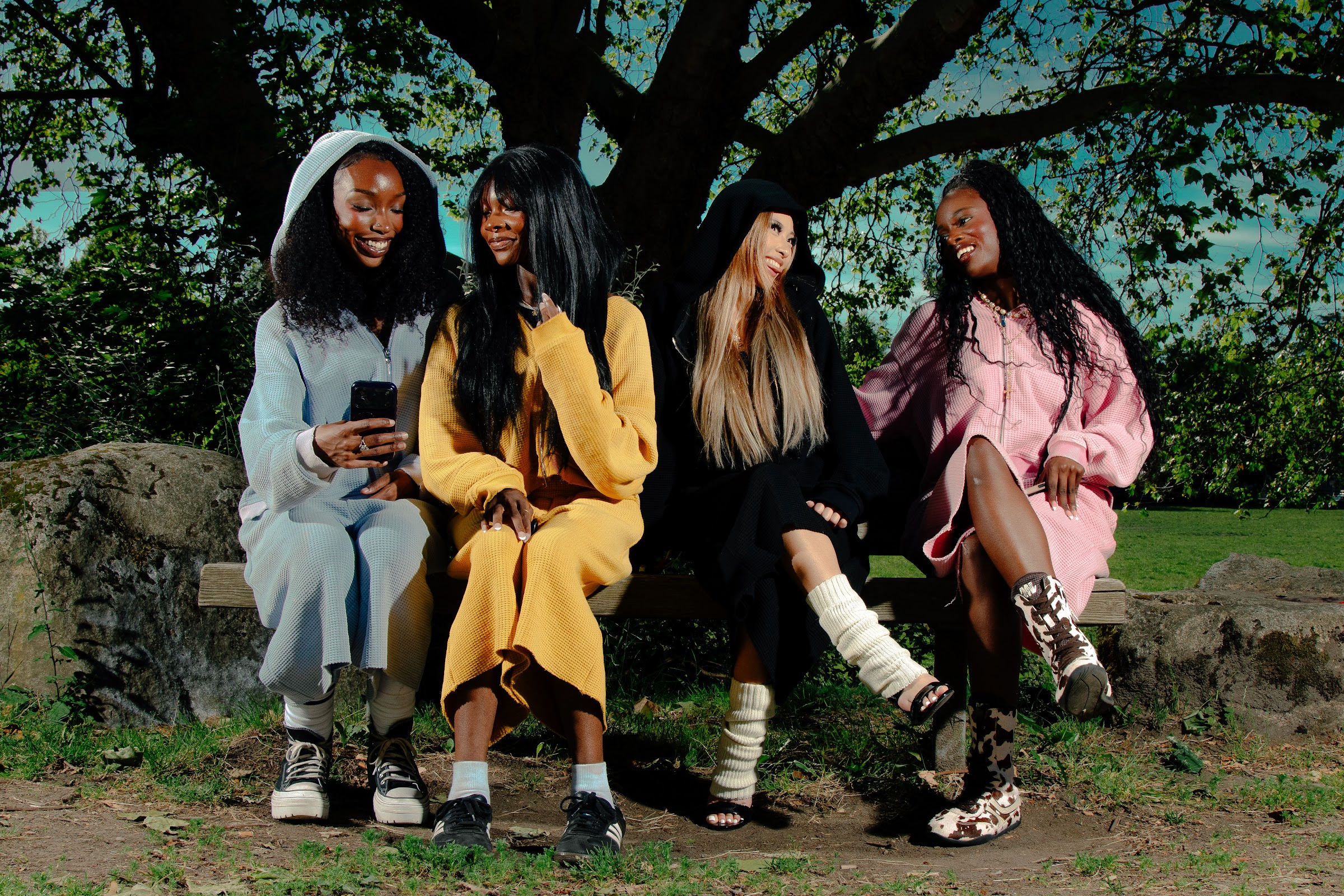
A bedroom, and a lot of DMs.
I was seventeen. I designed pieces I wanted to wear and couldn't find, then ended up running the whole thing — sourcing, sampling, launches, community, every DM.
Most of the growth came from students on their own phones. I put together a small roster of creators across ten-ish campuses in the US and Canada, briefed them, watched what actually converted, and kept working with the ones who moved the needle. Paid channels helped at the edges — trust just did the heavier lifting.
Roughly twenty thousand followers, a lot of reach I didn't pay for, and about half a million dollars moved in the first year. More useful than any of that: I got to be wrong in public and learn how customers, cash, and inventory actually behave.
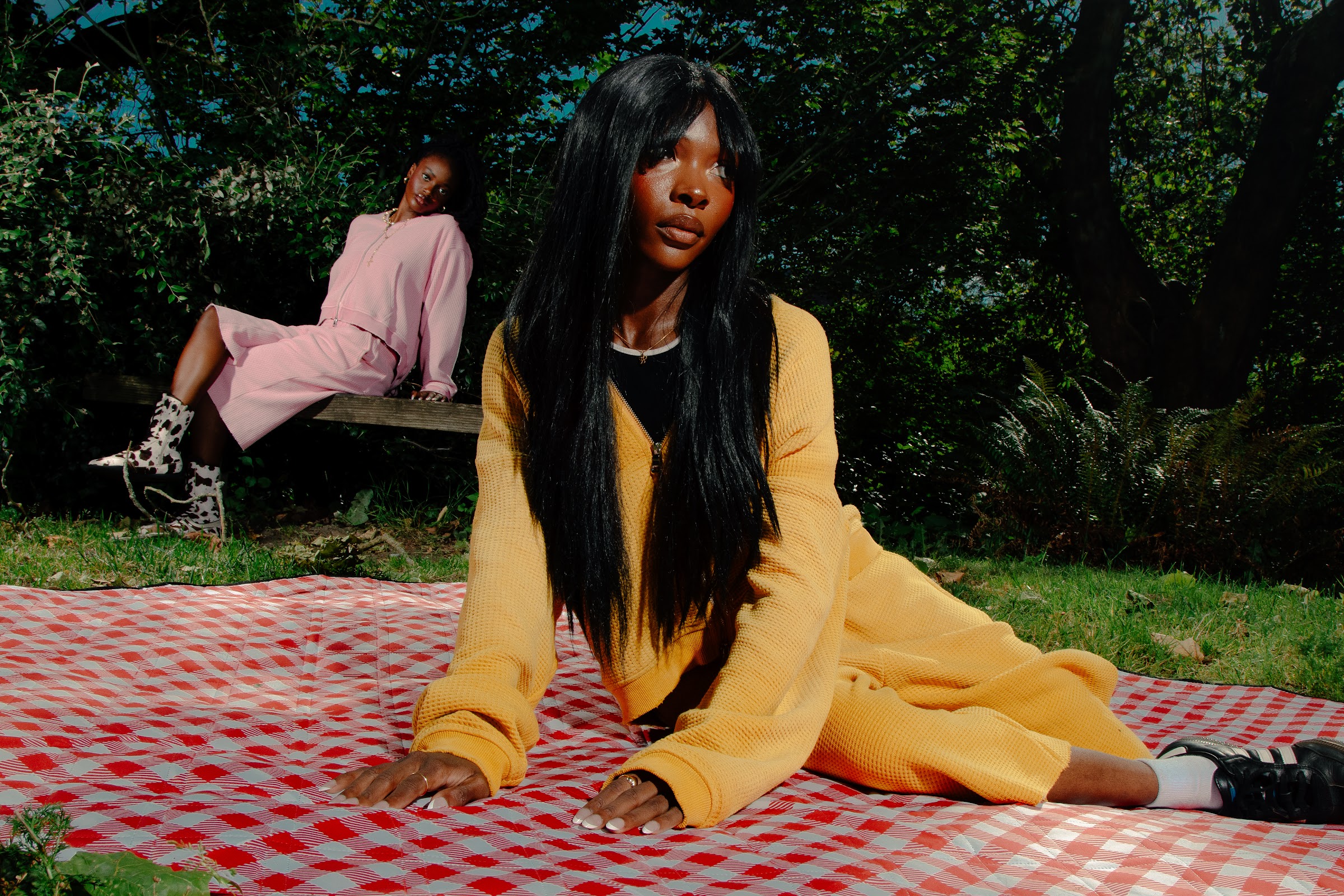
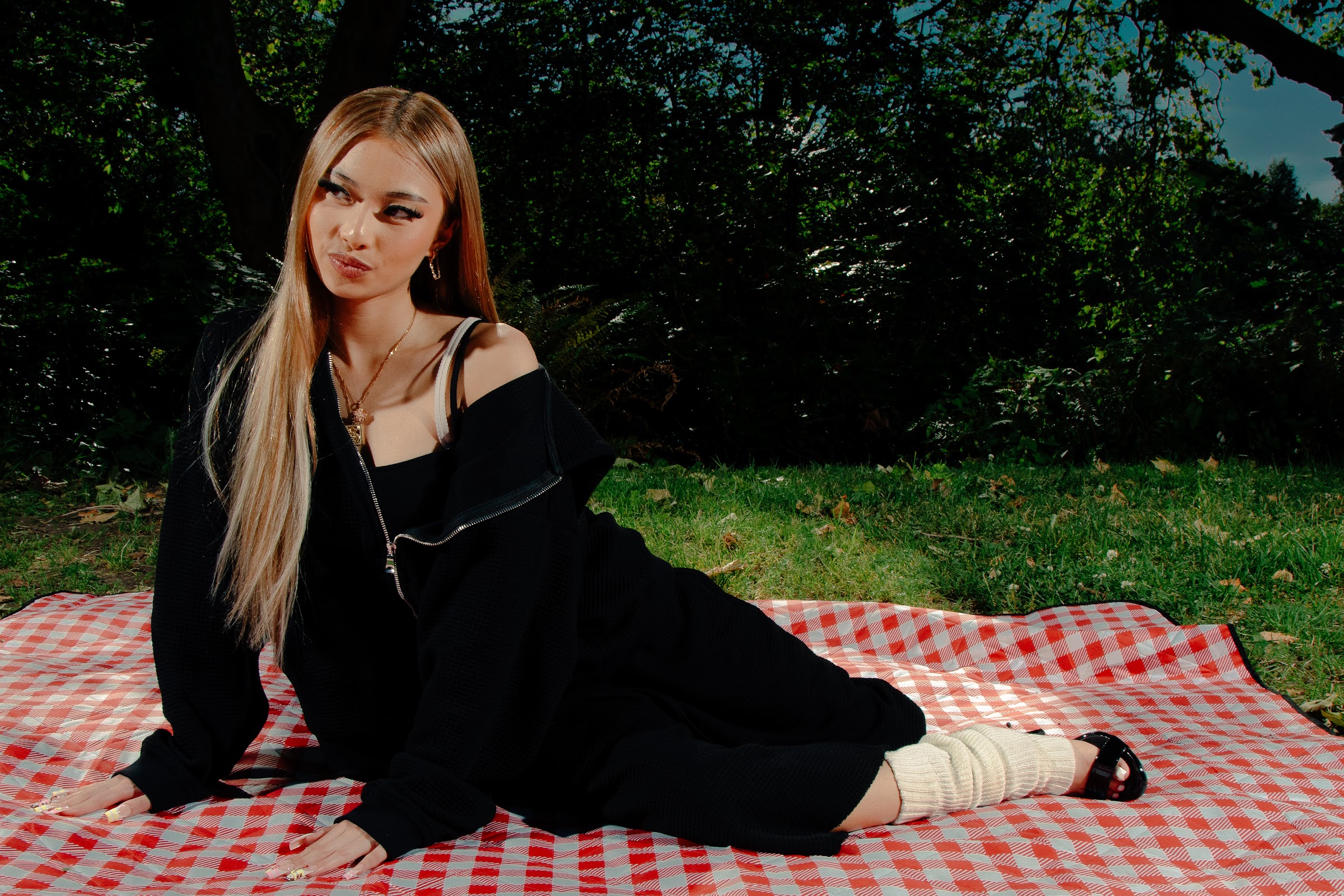
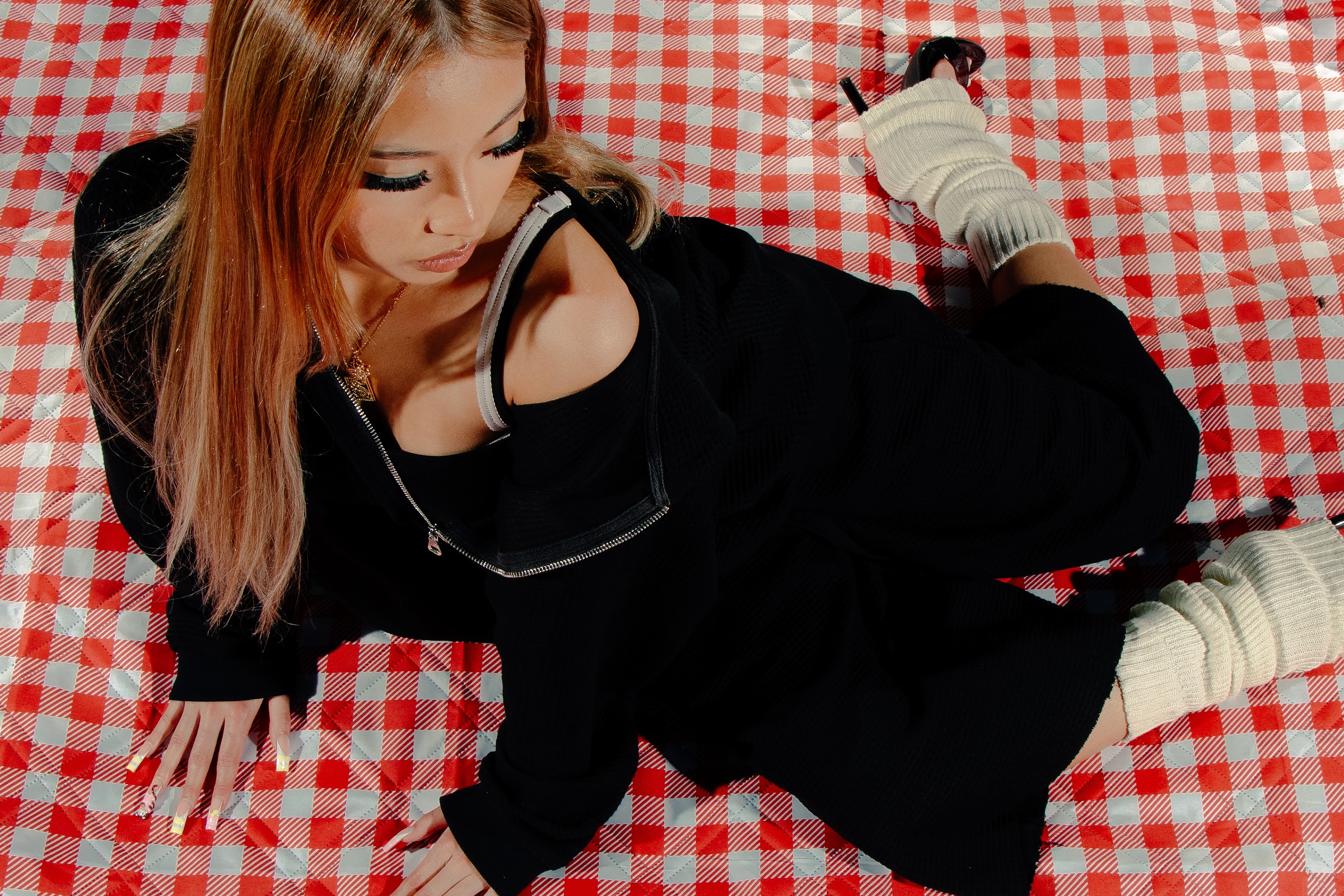
People buy the feeling
If someone they trust wears it first, the piece almost sells itself. Everything else is downstream of that.
Inventory is the boss
A young brand doesn't die of bad taste, it dies of bad math. Margins, cash, and reorder timing quietly decide everything.
Small moves, kept up
A caption today, a sample tomorrow, a DM the day after. Nothing dramatic — it just doesn't stop.
One last collection with the team goes live in a few days. I'm really grateful for everyone who wore it, shared it, and stuck around. SEYA was my first real swing at building something — and it turned out to be the start of everything else.
The stuff that translates, actually.
SEYA wasn't a tech company, but running it end-to-end taught me a stack of skills I keep leaning on now that I'm pointed at building software and joining product teams.
Shipping in public
Comfort putting things out before they're finished, watching what happens, and iterating on real feedback instead of guessing.
Distribution instincts
How attention actually moves — who posts, why, and what turns a viewer into a user. Useful for any product that needs people to try it.
Brand + creative direction
Writing, art direction, visual identity. I can turn an idea into something that looks and feels like a thing.
Unit economics
Reading a P&L, knowing what a margin is, deciding what's worth building based on the math — not vibes.
Ops from zero
Setting up the spreadsheet, the vendor list, the workflow. Being the person who makes something exist when nothing did yet.
AI-native workflows
Building my own tools with Claude / Cursor to move faster — outreach engines, research agents, small internal apps. Bringing that into any product I work on.